OBBBA Resources
Looking for authoritative OBBBA resources? This page is a centralized resource hub for employers, payroll teams, HR leaders, and business decision-makers navigating the One Big Beautiful Bill Act (H.R. 1).
You’ll find structured guidance, webinars, official guidance links, tools and FAQs to help you understand key implications, operational impacts, and compliance considerations so your organization can prepare confidently.
Quick Access to OBBBA Resources & Guidance
OBBBA Overview & Official Guidance
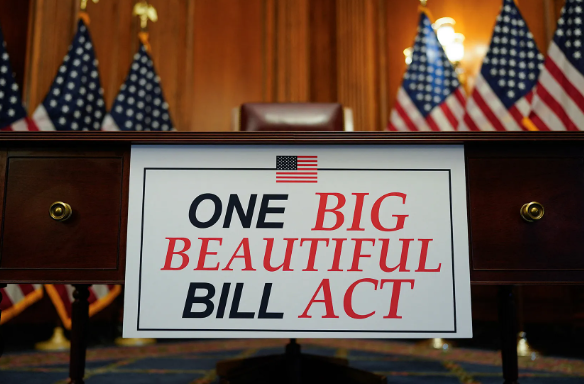
H.R. 1, better known as the “One Big Beautiful Bill Act” (OBBBA), is reshaping employer compliance across wage and hour, benefits administration, and tax reporting.
The One Big Beautiful Bill Act introduces changes that may affect payroll administration, wage treatment, documentation standards, and employer reporting responsibilities. Organizations should evaluate operational impact early to avoid compliance gaps.
NEW! LATEST OBBBA UPDATES
AUGUST 2026 | NEW IRS GUIDANCE
IRS Clarifies Overtime Deduction and Paid Leave Tax Credit
The IRS has released new guidance giving employers more direction on qualified overtime compensation, 2026 W-2 reporting and the expanded employer tax credit for paid family and medical leave.
One important clarification: “No Tax on Overtime” does not mean overtime wages are tax-free. The provision creates an individual income tax deduction for certain qualified overtime compensation.
Read What Employers Need to Know →
Payroll Implications Under OBBBA
Employers should review payroll system configurations, withholding calculations, compensation structures, and payment timing to ensure alignment with updated requirements. Adjustments may require coordination between HR, payroll providers, and internal finance teams.
Overtime & Wage Considerations
Changes to wage classifications or overtime thresholds may require policy updates, employee communication, and payroll recalibration. Employers should review classification standards and ensure compensation calculations reflect current guidance.
Reporting Requirements
Updated reporting and documentation standards may affect employer filings and recordkeeping practices. Businesses should evaluate reporting workflows and confirm compliance with federal submission requirements.

What Are OBBBA Resources?
OBBBA resources include compliance guidance, payroll updates, reporting summaries, and employer-focused implementation tools related to the One Big Beautiful Bill Act. Because the legislation impacts multiple operational areas, businesses rely on consolidated OBBBA resources to interpret requirements accurately and implement changes correctly.
For employers, this means reviewing wage administration, payroll calculations, and reporting procedures. For payroll teams, it includes updating systems, recalibrating classifications, and maintaining documentation standards.
Employer Compliance Guide: The Big Compliance Advantage™ Toolkit
This provides employer-focused OBBBA resources addressing execution and day-to-day compliance.
Toolkit includes:
-
✅ Tip Reporting Guidance – Employers should review how tip income is tracked, taxed, and reported to ensure compliance with updated standards.
-
✅ Overtime Adjustments – Reevaluate employee classifications and compensation calculations where required.
-
✅ Employer & Employee FAQs – Quick answers to common questions
-
✅ Audit-Ready Checklists – To verify compliance before key deadlines
--> To find more FAQs, view our toolkit above!
More than a Provider. Your Irreplaceable Partner.
CTR makes payroll, HR & workforce management easier. With an all-in-one platform backed by personalized support, tenured experts, and customized solutions, you gain simplicity, compliance confidence, and more time to focus on your business.